Suburban Toronto’s development pattern differs starkly from other major North American cities—and that quirk might be its greatest asset.
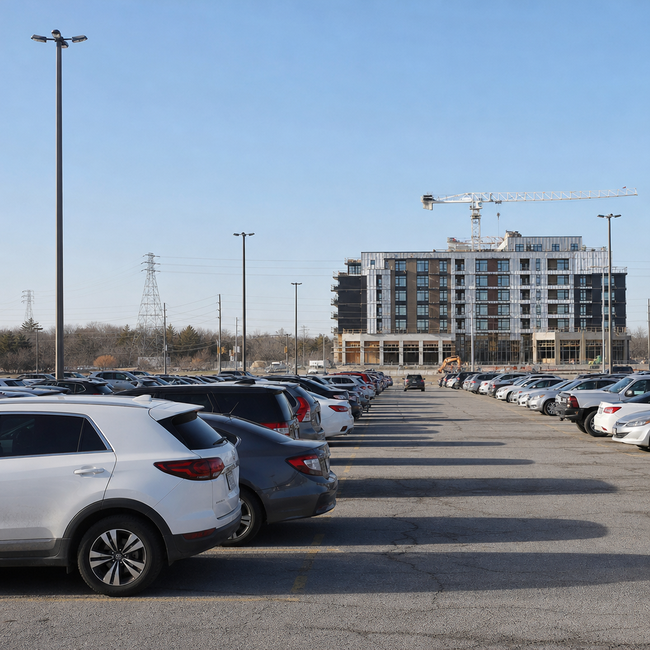
Unlike Chicago, New York, and Philadelphia, where vibrant neighborhoods organically grew around railroad stations, Toronto’s GO Transit stations were strategically placed on the edges of historic town centres rather than through them. This created sprawling parking lots and car-dependent suburbs—but now presents an unexpected opportunity.
As the GTA continues to expand, those underutilized parking areas are becoming prime real estate for transit-oriented development. Projects like Mount Pleasant GO in Brampton are pioneering a “new railroad suburb” model: walkable, dense clusters with mixed housing types that echo the charm of historic railroad towns without the preservation challenges that plague American cities.
The Ontario government’s Major Transit Station Area (MTSA) policies are accelerating this transformation across the region. Unlike older railroad suburbs, where established neighborhoods resist change, most GO stations lack the historical constraints—making large-scale redevelopment feasible and flexible.
For investors and homebuyers, this means unprecedented opportunity: stations like Burlington, Maple, and others are seeing significant intensification. The age of GO Transit as a parking-lot network is quietly ending.
Read the full analysis at Urban Toronto
Source: Read the original article