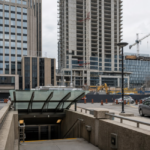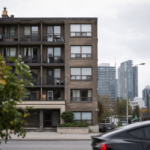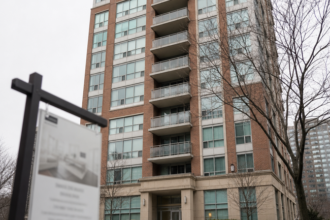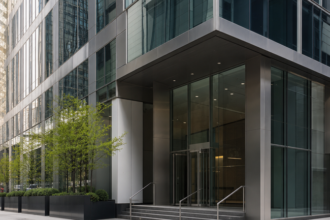
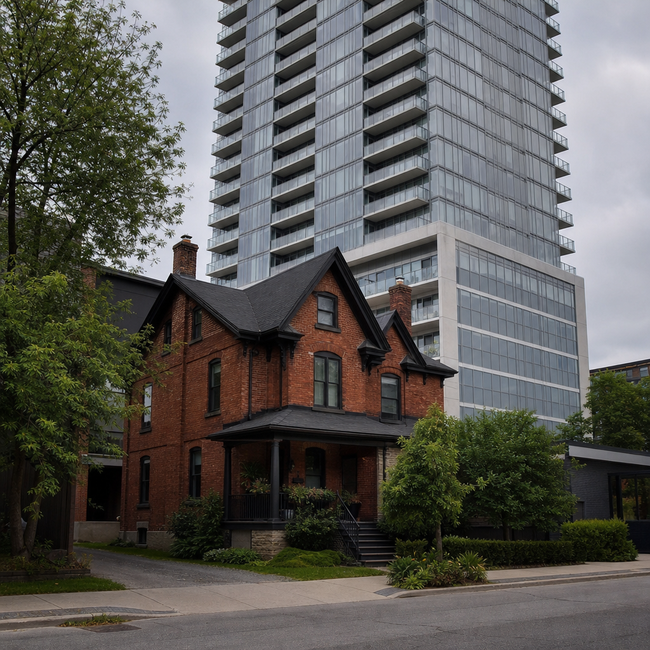
Toronto’s skyline tells a stark story: gleaming condo towers abruptly give way to sprawling single-family homes, with little in between. This jarring contrast reveals a fundamental problem hampering the city’s growth: the near-total absence of “missing middle” housing.
Missing middle housing—townhomes, multiplexes, and mid-rise apartments—once filled the gap between detached homes and high-rises in older North American cities. But decades of restrictive zoning policies pushed Toronto toward an extreme: either single-family residential zones or dense high-rise clusters along transit corridors.
The consequences extend beyond supply shortages. When zoning prevents gradual density increases in residential neighborhoods, developers concentrate projects on major thoroughfares, threatening the beloved local shops and restaurants that define Toronto’s cultural identity. The Sneaky Dee’s development controversy exemplifies this clash.
Recent reforms—including 2023 policy changes permitting multiplexes and emerging projects like Mirvish Village—offer hope. Yet larger multiplex designs remain restricted to fewer than half of Toronto’s 25 wards.
For a comprehensive analysis of how missing middle housing shapes Toronto’s future and what it means for the city’s identity and affordability, read the full article on UrbanToronto.
Source: Read the original article