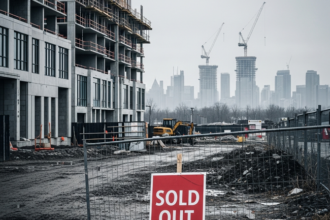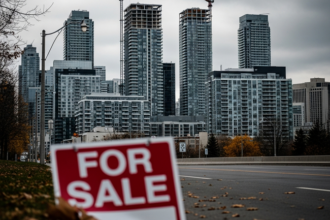

Is now the time to ‘buy the dip’ on Toronto investment condos? A recent CMHC report suggests that a slowdown in new construction could lead to a future rebound, echoing patterns seen in the 1990s. The logic is simple: fewer new projects breaking ground now could mean a supply shortage down the road, potentially driving up prices. But is this enough to justify investing in Toronto condos today?
While the long-term supply dynamics are a valid concern, the immediate reality facing investors paints a different picture. According to Toronto-based real estate agent Cameron Levitt, most Toronto condos are currently cash-flow negative due to high interest rates and prices. A typical downtown one-bedroom, priced at $619,000, could incur monthly costs of $3,349 (mortgage, maintenance fees, and property taxes) against rental income of just $2,600, resulting in a monthly loss of $749. Even significant interest rate cuts wouldn’t solve the problem.
The condo investment thesis in Toronto has shifted from rental income to speculation. The pre-construction market, once a lucrative avenue for investors to flip contracts before closing, is now facing headwinds. Projects launched during the low-rate era are now completing, adding to the resale and rental markets at a time when rental demand is softening. Urbanation reported that average GTA condo rents fell by 2.8% year-over-year in Q1 2025, while active rental listings were up 29%.
Furthermore, rising maintenance fees, driven by construction inflation, are eating into investor returns. A 2023 study found average condo fee increases of 5.1% year-over-year, with reserve fund contributions rising by 11.8%. The growing presence of institutional players like pension funds and REITs, with access to preferential financing and vertically integrated business models, adds another layer of competition for small condo investors.
While the CMHC’s long-term optimism about supply and demand may eventually materialize, the current environment presents significant challenges for individual condo investors in Toronto. Negative cash flow, oversupply, weaker rental demand, institutional competition, and rising costs make buying the dip today more of a speculation than a sound investment.