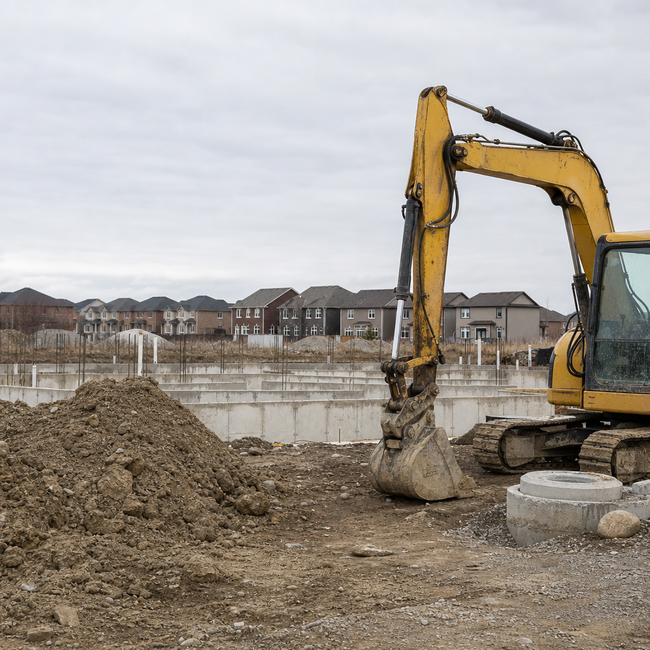
Ontario’s real estate development pipeline faces an unexpected bottleneck that has nothing to do with zoning or planning approvals — it’s water and sanitary servicing capacity. According to industry leaders at a recent ULI Toronto event, miles of approved residential density remain completely frozen because municipal trunk lines are undersized or nonexistent. One striking case study reveals a 140-acre master-planned site in York Region designed for 3,000 units that has been stalled for over a decade, with $50 million already spent on engineering alone. The carrying costs of these infrastructure delays hit developer pro formas hard, ultimately passed to end users three times over through development charges, front-end costs, and ongoing taxes. However, emerging solutions through Municipal Service Corporations (MSCs), alternative servicing models, and decentralized treatment technology are beginning to unlock projects. Provincial updates under Bill 60 and Bill 98 are creating new pathways for communal infrastructure while reducing approval timelines. Forward-thinking developers are now treating localized water treatment as both a risk mitigation strategy and a competitive amenity. Learn how Ontario’s world-leading wastewater filtration expertise is finally being deployed to solve this critical infrastructure bottleneck. Read the full analysis to understand the implications for GTA real estate timelines and pricing.
Source: Read the original article